

Last updated: October 1, 2026
A Brazilian butt lift uses liposuction to collect your own fat and transfers prepared fat to the buttocks to change their shape and proportions. If you are considering the procedure, the most useful questions are whether you have suitable donor fat, what changes are realistic, and how your surgeon plans for safety and recovery.
What Is a BBL Procedure?
A Brazilian butt lift, or BBL, is a surgical fat-transfer procedure that moves fat from another area of the body to the buttocks. Liposuction collects the fat, and a surgeon places prepared fat to add volume or refine shape. Despite the name, fat transfer does not remove or tighten loose skin.
The procedure can affect both the donor area and the buttocks: removing fat may refine the donor area’s outline, while transferred fat may create a fuller buttock shape. The amount of change depends on your anatomy, the fat available for transfer, and how much transferred fat remains over time. A consultation helps turn a preferred look into a plan suited to your body rather than a promise based on someone else’s result.
What Can Fat Transfer to the Buttocks Change?
Fat transfer to the buttocks may add fullness, soften uneven contours, or improve the transition between the waist, hips, and buttocks. It cannot reliably correct pronounced sagging caused by excess skin. If loose skin is your main concern, ask whether an approach that addresses skin would better match your goal.
How Does Fat Transfer to the Buttocks Work?
Fat transfer to the buttocks begins with a consultation and a plan for both the donor areas and the desired buttock shape. During surgery, liposuction collects fat, the collected material is prepared for transfer, and the surgeon places suitable fat in the buttocks. Placement depth is a central safety consideration.
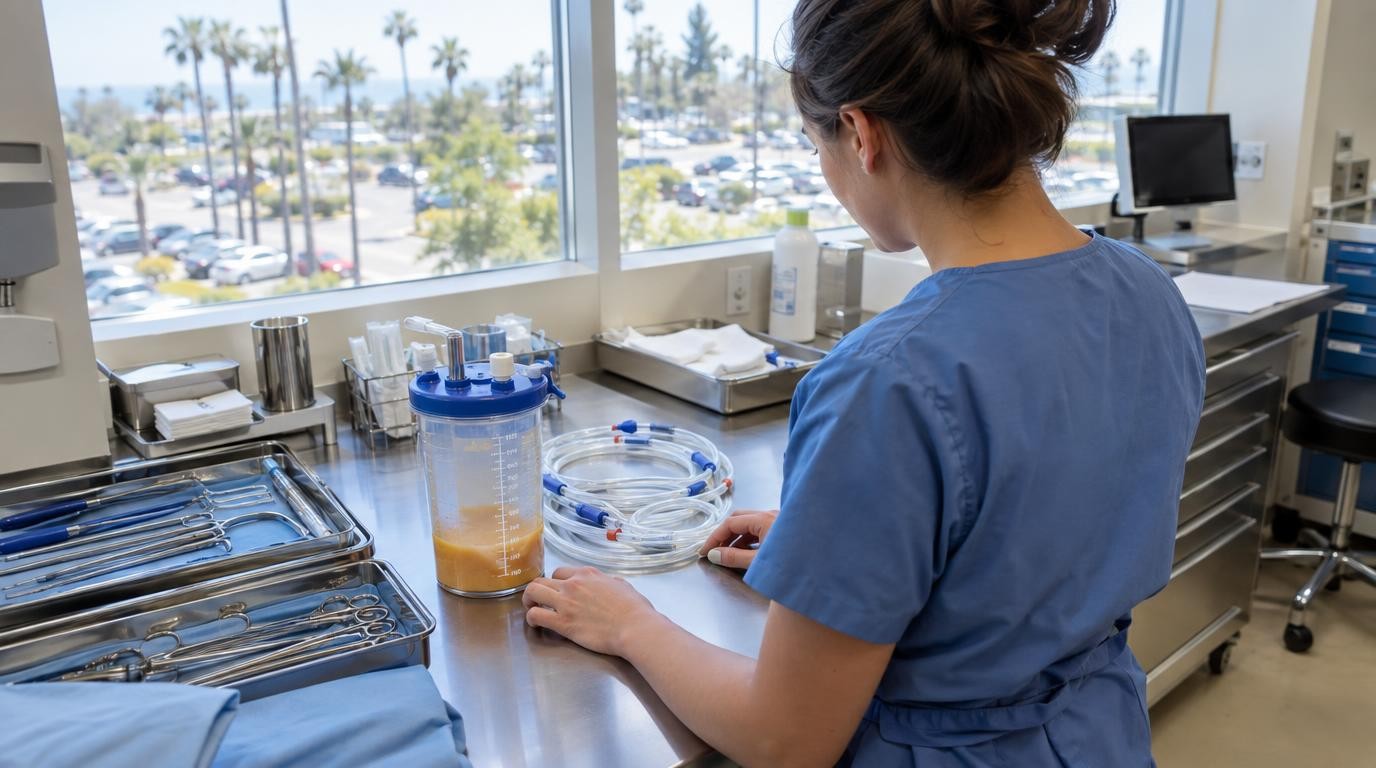
Planning includes reviewing your health, examining your proportions, and discussing what the available fat can reasonably achieve. The surgeon can then explain where fat might be collected and how those choices could change your overall contour. Preparation separates usable fat from unwanted fluid and material before placement. Ask your surgeon to describe the proposed steps and safety measures; do not assume every practice uses the same equipment or method.
Where Is the Fat Typically Collected?
Potential donor areas often include the abdomen, flanks, back, or thighs, depending on where you have suitable fat and what contour you want in those areas. Collection sites are chosen individually, not from a standard list. If you are comparing uses for donor fat, our overview of body fat transfer to breast explains another application of the same general principle.
Who Might Be a Good Candidate for a BBL?
A potential BBL candidate is an adult with suitable donor fat, stable health, and realistic goals for buttock shape and body proportions. A surgeon must assess whether liposuction and fat transfer are appropriate for that person’s anatomy and medical history. Limited donor fat or substantial loose skin may change the recommendation.
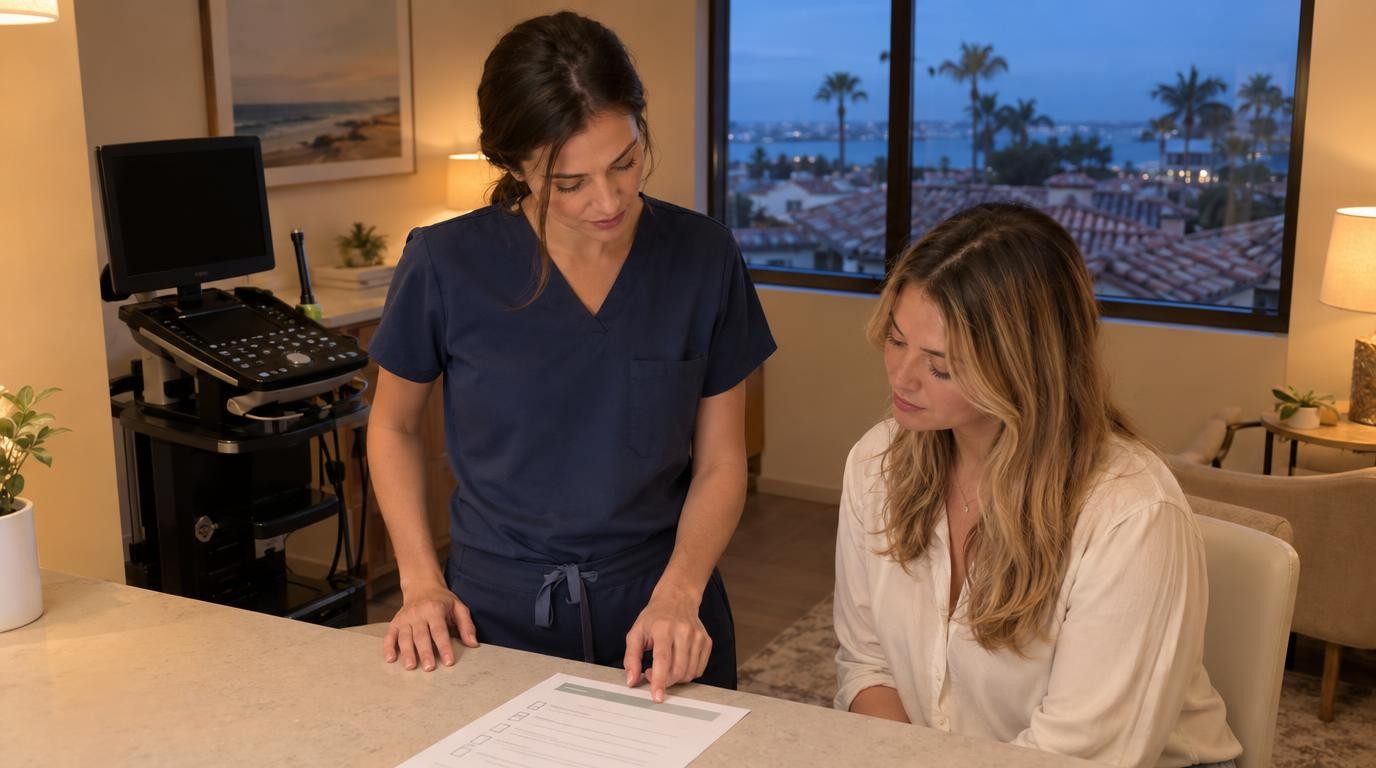
At a BBL consultation, describe the change you want rather than focusing only on a particular size. In clinical practice, discussing your goals alongside an examination helps distinguish a wish for added fullness from a wish to tighten sagging skin. Your clinician should also review medical conditions, medications, and factors that could affect healing before advising whether to proceed. People whose health makes surgery or recovery unsuitable should not have the procedure unless their own clinician determines that those concerns have been addressed.
Can a BBL Address Flat Buttocks, Uneven Shape, or Hip Dips?
Fat placement may improve flat buttocks, uneven buttocks, or the contours commonly called hip dips, but anatomy limits how much change is possible. If loose skin is more prominent than a lack of volume, a different approach may be worth discussing. Our guides to butt implants and body contouring after weight loss provide context for those conversations.
How Have BBL Safety Practices Changed?
BBL safety practices increasingly emphasize placing transferred fat above the gluteal muscle, confirming the placement plane, and careful patient selection. Professional discussion also supports ultrasound guidance to help surgeons see tissue layers during placement. These measures inform a safer approach, but no survey estimate can predict an individual patient’s outcome or eliminate surgical risk.
In a March 2022 discussion, the American Society of Plastic Surgeons described how education and changes in technique shaped its safety guidance. The following estimates concern mortality in survey data, not the risk assigned to a prospective patient:
| Survey context | Reported estimate |
|---|---|
| Earlier data discussed in a published safety comparison | Approximately 1 in 3,000 |
| More recent survey data discussed by the American Society of Plastic Surgeons | Approximately 1 in 15,000 |
What Do More Recent Safety Surveys Tell Patients?
The estimates support asking about current practice rather than treating an older figure as your personal risk. A 2026 narrative review with a preliminary retrospective clinical experience describes ultrasound as a way to support placement above the muscle; its early experience does not establish a universal outcome rate. Ask about the surgeon’s training, use of ultrasound, and the facility. Discuss risks with your own clinician, including swelling, bruising, infection, fat necrosis, uneven results, and pulmonary fat embolism.
What Is Recovery Like After a BBL?
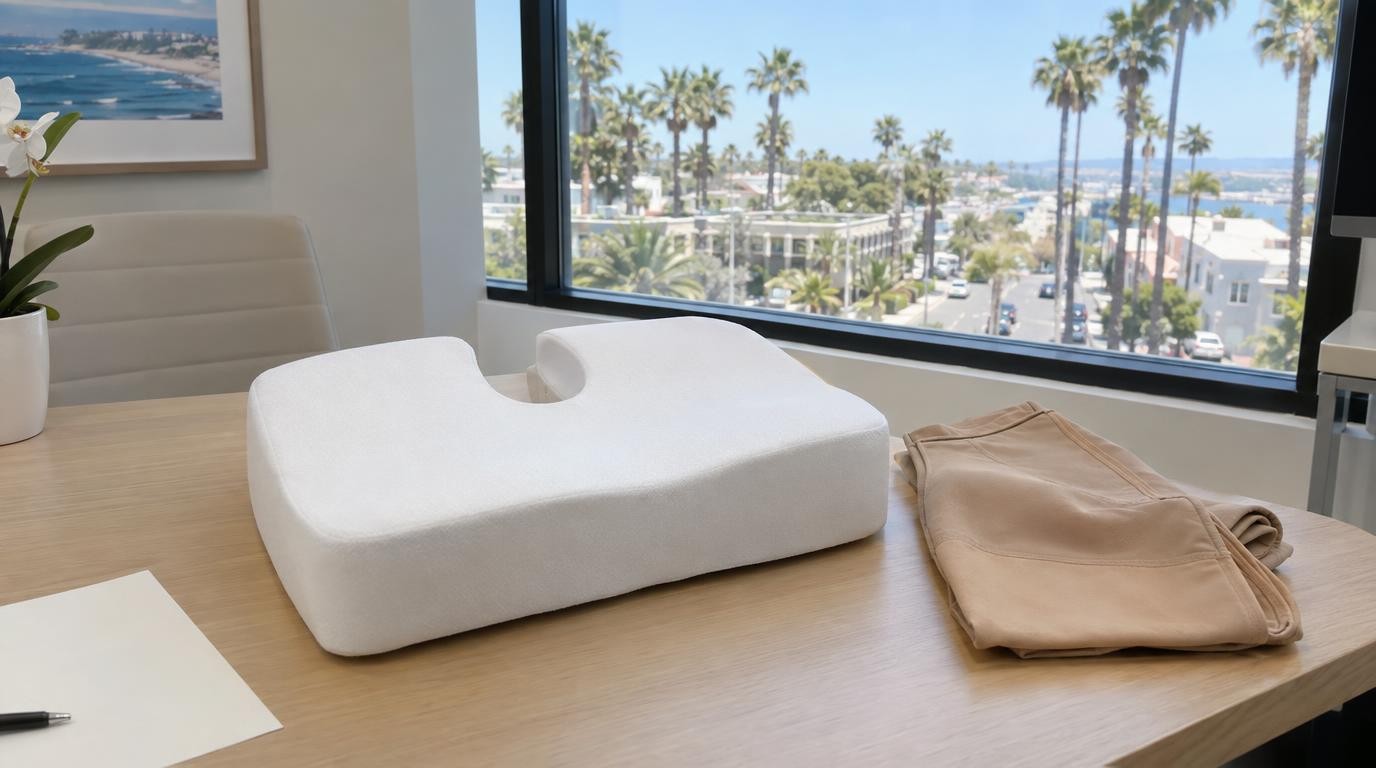
BBL recovery involves healing in both the liposuction areas and the buttocks, with swelling, bruising, and temporary limits on pressure and activity. Your surgeon may recommend compression for donor areas and specific ways to sit or rest. Follow-up visits allow the surgical team to check healing and adjust instructions to your progress.
Expect your early appearance to change as swelling settles. You may also feel sore in areas where fat was collected, so arrange help with routine tasks if needed. Follow the instructions you receive rather than adopting a sitting rule or activity schedule from another patient’s experience. Contact your surgical team about symptoms that concern you, particularly changes that are new or worsening.
How Do Sitting and Activity Restrictions Affect Daily Life?
Before surgery, ask how you should sit for meals, work, and travel, and when you may resume exercise or physically demanding tasks. If you are coming from Costa Mesa to a consultation in Newport Beach, plan how you would get home after surgery and return for follow-up visits. A practical recovery plan should account for your work, available support, and the surgeon-specific restrictions you will need to follow.
How Can You Decide Whether a BBL Is Right for You?
The best next step is an individual consultation that connects your goals with your anatomy, health, and a clear surgical and recovery plan. Bring questions about donor fat, skin laxity, placement depth, ultrasound guidance, risks, and follow-up. To discuss your goals and ask whether a Brazilian butt lift consultation is available, contact Coral Surgery Center (formerly Distinction Surgical Center) in Newport Beach.
Frequently Asked Questions
Is a Brazilian butt lift the same as butt implants?
No. A Brazilian butt lift uses liposuction to collect your own fat, which is prepared and placed in the buttocks rather than adding an implant. It can also change the outline of the area where fat is collected. Whether it suits you depends on your available donor fat, skin condition, and desired shape.
Why does a BBL involve liposuction?
Liposuction provides the fat used to add volume or refine the buttocks. A surgeon may collect it from the abdomen, flanks, back, or thighs, depending on your anatomy and goals. Removing fat can also change the donor area’s outline, so the plan considers both the collection sites and the desired buttock shape.
How does a surgeon plan where to place fat during a BBL?
A surgeon plans fat placement around your anatomy and desired contour, with placement above the gluteal muscle as a key safety measure. Some surgeons use ultrasound to see tissue layers while placing fat. At your consultation, ask how your surgeon confirms the placement plane and what approach they use for your procedure.
Can I get a BBL if I have very little donor fat?
Limited donor fat may restrict the change a BBL can achieve or lead a surgeon to recommend another approach. A consultation allows the surgeon to examine potential collection areas, review your health, and discuss your goals. The amount of fat available matters, but so do your proportions and the shape you want.
Will my BBL results look the same after swelling goes down?
Not necessarily. The early appearance of a BBL changes as swelling settles, and the final amount of fullness also depends on how much transferred fat remains over time. Your anatomy and available donor fat affect the result. Discuss the shape you want with your surgeon rather than expecting to match another person’s photos.
What should I bring up at a BBL consultation?
Describe the shape you want and ask whether your donor fat and skin condition support that goal. Also discuss where fat would be collected, how placement depth is managed, whether ultrasound is used, and what your recovery instructions might involve. Share your medical history and medications so the surgeon can make an individual recommendation.
This article is general information and is not medical advice. Talk to a licensed clinician about your own situation before making a treatment decision.
