

Last updated: September 24, 2026
Fat transfer for breast enhancement is a surgical technique that augments breast size and shape using your own adipose tissue harvested through liposuction, avoiding artificial implants entirely. This approach offers dual benefits: subtle enhancement and body contouring in areas where fat is removed. For women in Newport Beach and surrounding Orange County seeking a more shapely silhouette without implants, fat transfer may be an option.
What Is Body Fat Transfer to Breast?
Fat transfer for breast enhancement uses adipose tissue harvested from your own body to increase breast volume and improve contour. The procedure involves three key phases: fat removal through liposuction, processing to purify the harvested tissue, and careful injection into the breasts to achieve natural-looking enhancement.
How Does Fat Transfer Breast Augmentation Work?
During fat transfer breast augmentation, surgeons use liposuction to extract fat from areas such as the abdomen, thighs, or flanks. The extracted fat undergoes processing to separate viable adipose cells from fluids and damaged tissue. The purified fat is then strategically injected into breast tissue to achieve the desired contour and volume.
Am I a Good Candidate for Fat Transfer Breast Augmentation?
Ideal candidates for autologous fat transfer breast procedures are women with adequate fat reserves in harvest areas who desire modest breast enhancement without implants. Candidates should be in good overall health, maintain realistic expectations about results, and understand that fat transfer typically provides a conservative increase in breast size compared to implant-based augmentation.

What Body Areas Work Best for Fat Harvesting?
Common harvest sites include the abdomen, thighs, and buttocks, as these areas typically contain sufficient fat deposits and allow for simultaneous body contouring. The best donor site depends on individual anatomy and the patient’s cosmetic goals for both the harvest and enhancement areas.
What Happens During the Fat Transfer Breast Procedure?
The fat transfer breast procedure is performed under anesthesia and typically takes several hours to complete. Surgeons begin by marking harvest areas and target enhancement zones before making small incisions for liposuction cannulas. After fat extraction, the tissue is processed using specialized techniques to maximize fat survival, then carefully injected into predetermined breast locations to achieve the desired contour and volume.
How Is Fat Harvested Through Liposuction?
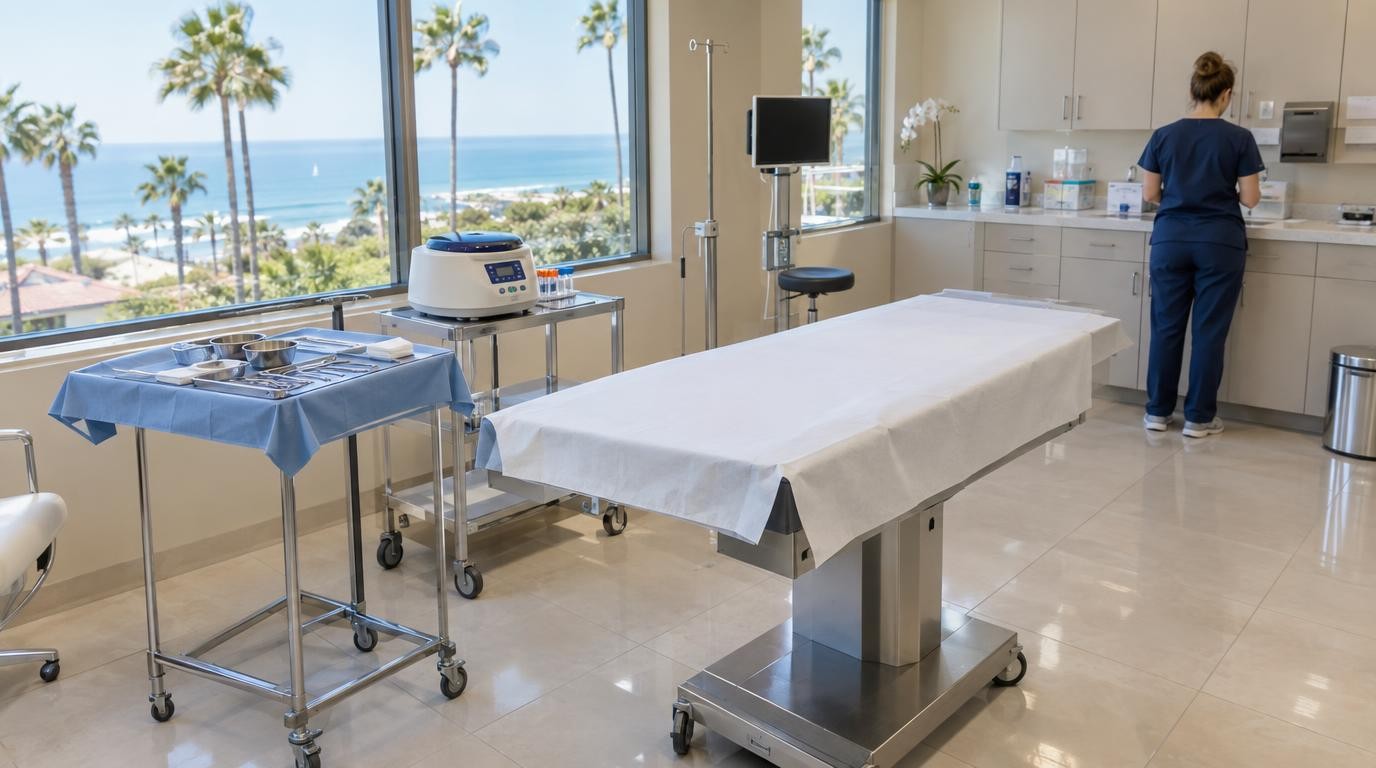
Fat harvesting involves inserting thin cannulas through tiny incisions to loosen and extract adipose tissue using controlled suction. The surgeon sculpts the harvest site while collecting fat for processing. This allows patients to address unwanted fat deposits while enhancing breast appearance in a single procedure.
What Is Recovery Like After Fat Transfer Breast Augmentation?
Recovery after fat transfer breast augmentation typically involves swelling and bruising in both the harvest and injection sites. Patients usually wear a supportive garment on harvest areas and may need a soft surgical bra for breast support. Most discomfort subsides within the first few weeks, though complete healing varies by individual.
How Long Until You Can Return to Normal Activities?
Most patients return to desk work and light daily activities within one to two weeks after the procedure. More strenuous activities, including exercise, should be avoided for several weeks to allow proper healing. Final results develop gradually over several months as the transferred fat establishes its blood supply and settles into its new location.
Risks, Side Effects and Who Is Not a Candidate
Fat transfer breast augmentation carries potential risks including infection, fat reabsorption, cyst formation, and calcification that may affect mammogram interpretation. Side effects commonly include swelling, bruising, and temporary numbness at harvest and injection sites.
Individuals with insufficient fat stores for harvesting, active breast infections, or a history of certain breast conditions may not be suitable candidates. Patients should discuss their complete medical history and any previous breast procedures with their surgeon during consultation. Those with unrealistic expectations about dramatic size increases or who are unable to follow post-operative care instructions should consider alternative enhancement options.
Patients interested in learning whether fat transfer for breast enhancement aligns with their cosmetic goals can schedule a consultation with our team at Coral Surgery Center (formerly Distinction Surgical Center) in Newport Beach. We welcome individuals from throughout Orange County, including Costa Mesa and Irvine, to explore their options for natural breast enhancement with a qualified surgical team.
Frequently Asked Questions
How long do fat transfer breast augmentation results last?
Fat transfer breast augmentation results become more stable once the transferred fat establishes a blood supply over several months. The fat that successfully integrates into the breast tissue may remain long-term, though some initial resorption may occur during healing. Final results continue developing as swelling subsides and the tissue settles into its new contour.
How does fat transfer breast augmentation compare to implants?
Fat transfer uses your own adipose tissue rather than synthetic implants, avoiding risks associated with foreign materials. While implants can achieve more significant size increases, fat transfer typically provides modest enhancement with added body contouring benefits. Results may feel and appear natural since no artificial devices are involved in the procedure.
What are the main advantages of fat transfer for breast enhancement?
Fat transfer breast augmentation offers dual benefits by enhancing breast appearance while contouring harvest areas like the abdomen or thighs. Using your own fat may reduce certain risks associated with implants. The procedure leaves minimal scarring from small liposuction incisions and provides natural-looking results that blend with existing breast tissue.
Will fat transfer affect my mammogram results?
Fat transfer may cause calcification that appears on mammograms and could require additional imaging for accurate interpretation. Patients should inform their radiologist about the procedure so they can properly distinguish between fat transfer-related changes and concerning features. Regular breast screening remains important, and any unusual findings should be discussed with your healthcare provider.
How much breast size increase can I expect from fat transfer?
Fat transfer typically provides a conservative increase in breast size compared to implant-based augmentation. The amount of enhancement depends on available fat reserves for harvesting and individual tissue characteristics. Patients with realistic expectations about modest improvements tend to be the most satisfied with their results from this approach.
Is fat transfer to breast a safe procedure?
Fat transfer breast augmentation is considered a safe surgical procedure when performed by qualified surgeons. Potential side effects include swelling, bruising, and temporary numbness at harvest and injection sites. While risks like infection, fat reabsorption, and cyst formation exist, discussing your complete medical history with your surgeon during consultation helps identify potential concerns before proceeding.
Related reading
- Surgical Body Transformation After Weight Loss: Your Complete 2026 Planning Guide
- Body Contouring After GLP-1 Weight Loss: What You Need to Know in 2026
- Body Contouring After GLP-1 Weight Loss: What You Need to Know
Sources
- Autologous Fat Grafting For Breast Reconstruction: Safe but Worrisome to Patients
- Fat Transfer Breast Augmentation
This article is general information and is not medical advice. Talk to a licensed clinician about your own situation before making a treatment decision.
